
Nourish Your Mind: Food as Medicine for Stress
Discover how the right foods can transform your emotional well-being. Learn the science of nutrition and stress management through our comprehensive editorial platform.
The information on this site is for educational purposes only and does not constitute medical advice. Always consult a qualified healthcare professional before making health decisions.
Core Features of Our Platform
Everything you need to understand the connection between nutrition and emotional health
Scientific Research
Evidence-based information about how specific nutrients affect brain chemistry, neurotransmitters, and your emotional resilience. We break down complex nutrition science into actionable insights.
Natural Ingredients
Comprehensive guides to whole foods, plant-based nutrients, and natural ingredients known to support mental clarity. Learn which foods contain serotonin precursors, omega-3 fatty acids, and calming minerals.
Educational Guides
In-depth articles covering meal planning principles, nutritional balance, and dietary habits that support emotional well-being. Understand macronutrients, micronutrients, and their cognitive impact.
Recipe Collections
Curated recipes designed to maximize stress-relieving nutrients. Each recipe includes nutritional breakdowns and explains how specific ingredients contribute to improved mood and mental focus.
Wellness Insights
Expert content about the mind-body connection through nutrition. Explore how eating patterns influence stress responses, sleep quality, and overall emotional stability.
Practical Tips
Daily habits and lifestyle recommendations for integrating stress-relief foods into your routine. Simple, evidence-informed strategies for sustainable nutrition choices.
The Science Behind Stress-Busting Foods
Stress triggers a cascade of chemical responses in your body. Cortisol spikes, adrenaline surges, and your nervous system shifts into fight-or-flight mode. The right foods can help activate your parasympathetic nervous system—your body's natural calming mechanism.
Specific nutrients like magnesium, B vitamins, omega-3 fatty acids, and amino acids directly influence neurotransmitter production. Serotonin, dopamine, and GABA—your brain's natural mood regulators—are synthesized from dietary components.
Magnesium & Relaxation
Acts as a natural muscle relaxant and regulates stress response pathways in the brain.
Omega-3 Fatty Acids
Support neuroinflammation reduction and enhance mood-regulating brain pathways.
B-Complex Vitamins
Essential cofactors in neurotransmitter synthesis and energy metabolism during stress.
Amino Acids
Building blocks for serotonin, dopamine, and other neurotransmitters that elevate mood.

Key Stress-Relief Ingredients Explained
Detailed information about nutrients and foods that support emotional well-being
Dark Leafy Greens
Spinach, kale, and collard greens are rich in folate and magnesium. These minerals help regulate homocysteine levels—elevated homocysteine is linked to stress and mood fluctuations.
Fatty Fish
Salmon, mackerel, and sardines contain EPA and DHA—omega-3 polyunsaturated fats that reduce neuroinflammation and support serotonin production.
Berries
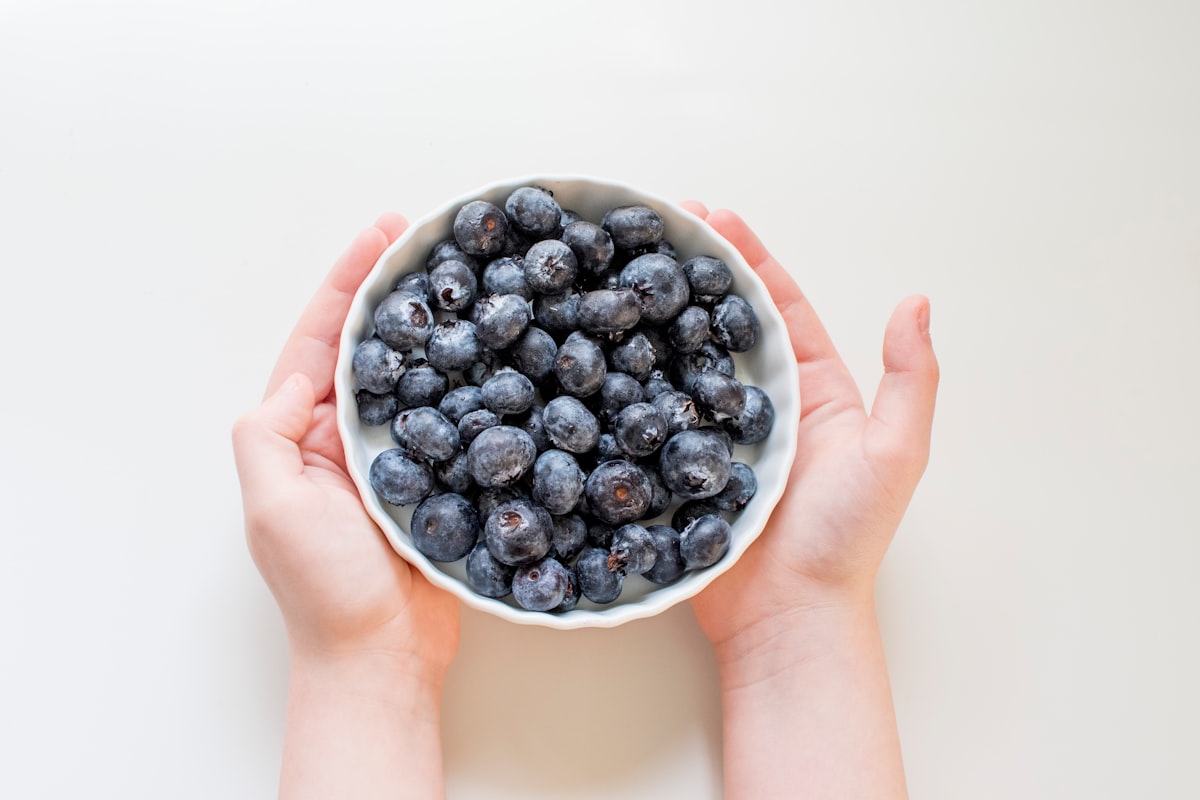
Blueberries, blackberries, and raspberries are packed with anthocyanins—powerful antioxidants that protect brain cells from oxidative stress and support cognitive clarity.
Eggs
Contain choline and amino acids that synthesize acetylcholine—crucial for memory and focus. The complete protein profile supports stable blood sugar and mood.
Whole Grains
Oats, quinoa, and brown rice provide B vitamins and complex carbohydrates that stabilize blood glucose and tryptophan absorption—essential for serotonin synthesis.
Nuts & Seeds
Almonds, walnuts, and pumpkin seeds deliver magnesium, zinc, and healthy fats that regulate cortisol levels and enhance immune resilience during stressful periods.
Your 4-Step Stress-Relief Nutrition Journey
A progressive approach to integrating calming foods into your daily routine
Awareness
Start by understanding your current eating habits and stress triggers. Learn how specific foods affect your mood and energy levels through observation and education.
Gradual Integration
Begin incorporating stress-relief foods slowly into meals you already enjoy. Replace processed items with whole foods that contain mood-supporting nutrients at a sustainable pace.
Habit Building
Develop consistent meal planning and preparation routines. Track how you feel and note patterns between your nutrition choices and emotional responses throughout your day.
Sustainable Lifestyle
Maintain balanced eating patterns as a long-term approach to emotional resilience. Continue learning and adjusting based on your body's response and evolving needs.
Visual Recipe Inspiration
Explore beautifully presented meals designed for stress relief and emotional well-being

Omega-Rich Salmon Bowl
Wild-caught salmon with leafy greens, avocado, and whole grain quinoa. Rich in omega-3 fatty acids that reduce neuroinflammation.

Antioxidant Berry Granola
Blueberries, blackberries, almonds, and seeds with organic yogurt. Anthocyanins protect brain cells and support mood.

Calm-Boost Green Smoothie
Spinach, banana, almond butter, and flax seeds blended with plant milk. Magnesium and tryptophan for natural relaxation.

Nourishing Roasted Vegetable Platter
Carrots, broccoli, bell peppers, and sweet potatoes roasted with olive oil and herbs. Packed with B vitamins and fiber.

Calming Herbal Tea Ritual
Chamomile, lavender, and passionflower steeped in hot water with raw honey. Traditionally used to promote relaxation and rest.
Stress-Relief Curry Bowl
Chickpeas, turmeric, ginger, and warm spices with brown rice. Turmeric's curcumin reduces neuroinflammation naturally.
Food vs. Conventional Approaches: A Comparison
Understanding nutrition as a foundational component of emotional health
Nutrition-Based Approach
-
Root-cause focus: Addresses nutritional deficiencies contributing to mood imbalance
-
Long-term benefit: Builds resilience through improved nutrient status
-
Sustainable: Creates lasting habits rather than temporary fixes
-